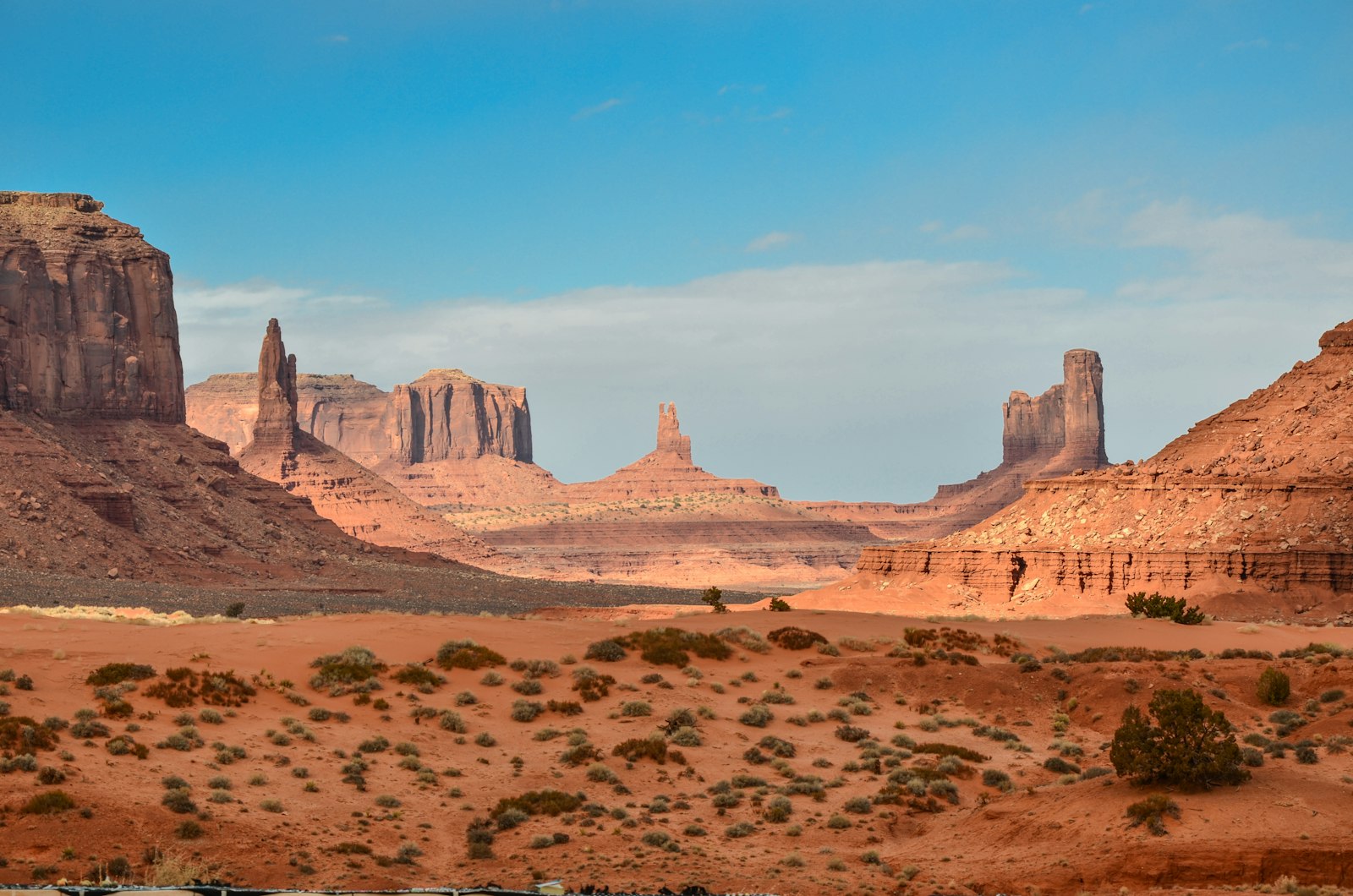
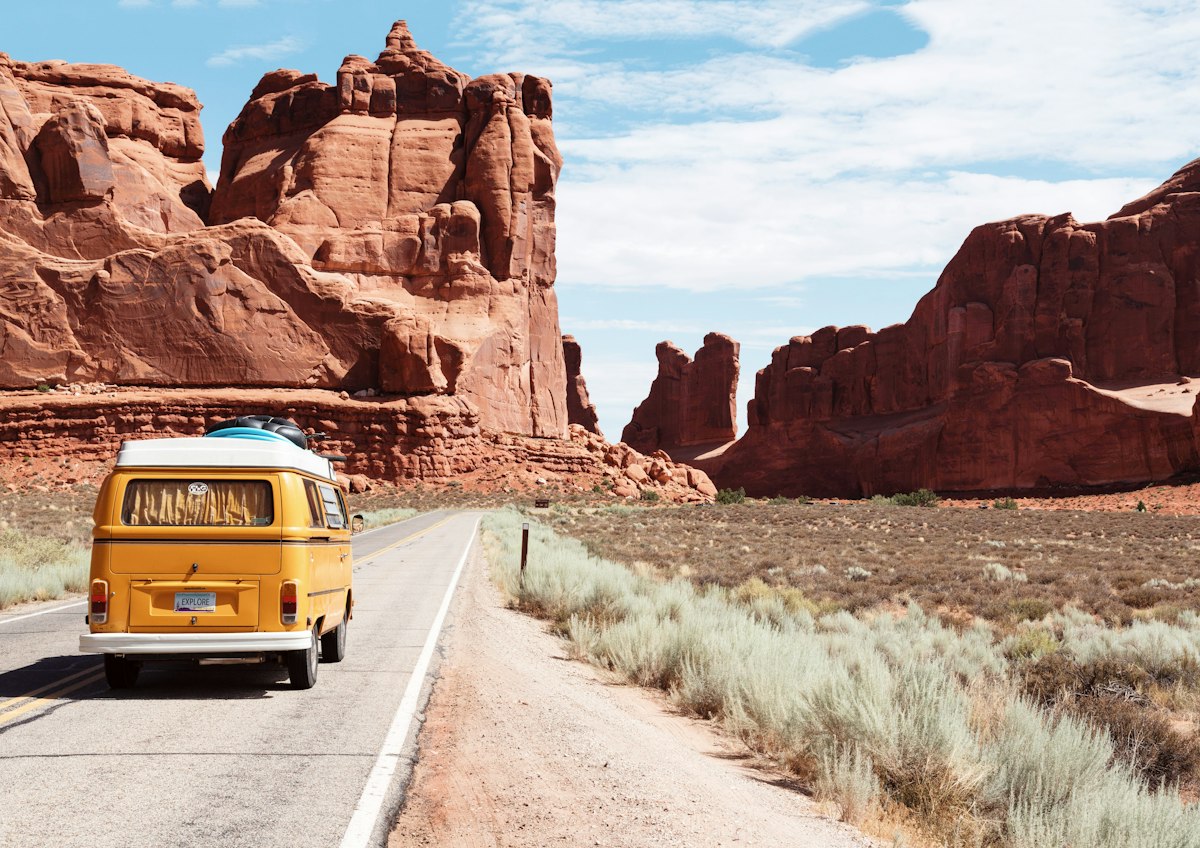
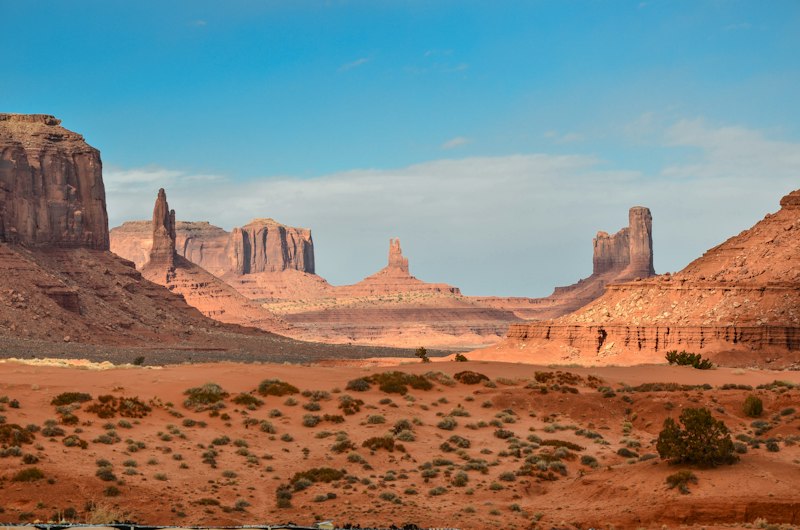
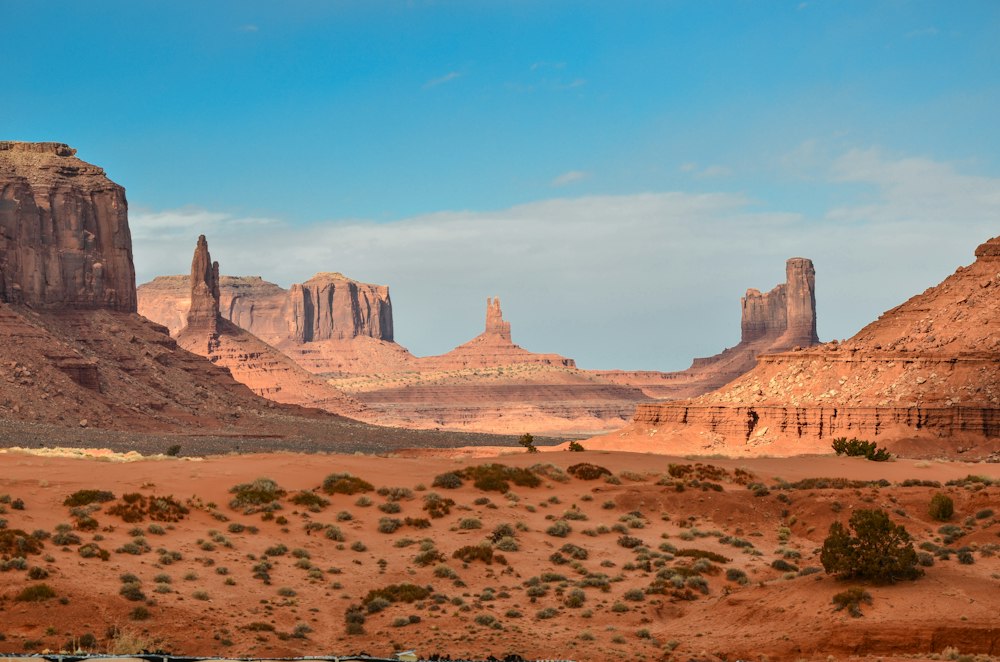
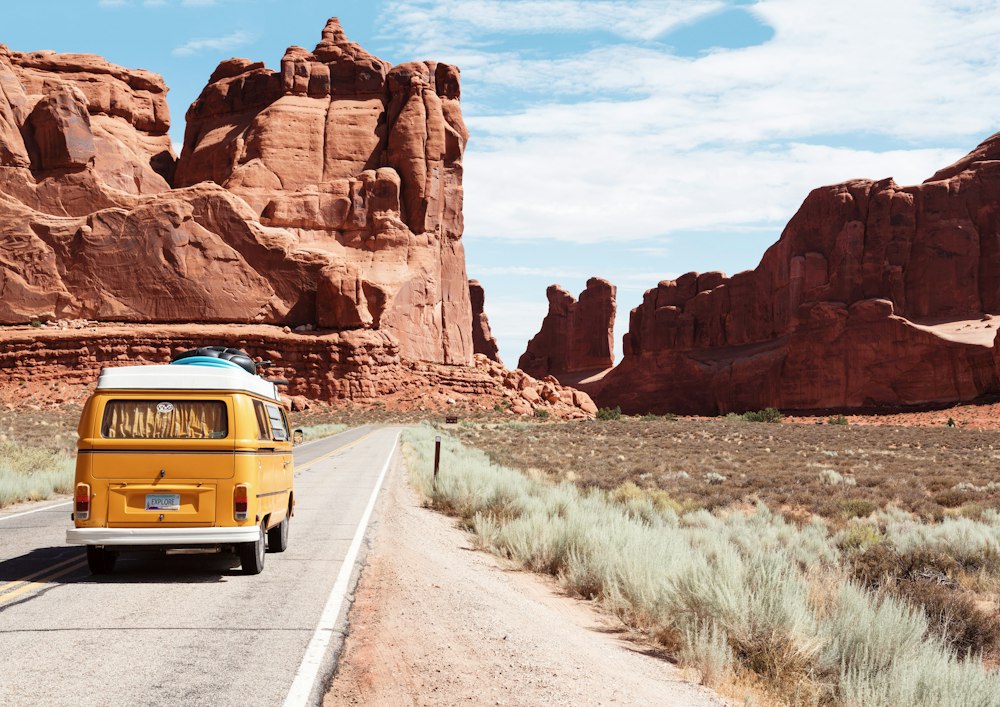
From the glowing walls of Antelope Canyon to saguaro forests at sunset and Milky Way nights over Sedona — this is a love letter and field guide to America's most luminous desert.
01 — About the project
Land of Sun and Sky began as a road-trip diary across Arizona — 7,000 miles, 34 sunrises, countless dust storms and one life-changing night under the Milky Way in the Painted Desert. Today it is an independent travel journal, photography archive and practical guide for slow, respectful desert travel.
We help travelers experience the Southwest deeply — not just photograph it. We work with Navajo and Hopi guides, dark-sky rangers, botanists and small-town diners to show a desert that is alive, sacred and worth protecting. No crowds hacks, no geotagging of fragile spots, no rush.

Desert light is a science. We publish sunrise/sunset tables, monsoon drama forecasts and where to be when the rocks catch fire.

Arizona holds some of the darkest skies in the US. From Flagstaff to the Grand Canyon North Rim — maps, parks and night etiquette.

Canyons, petroglyphs, ghost towns and Route 66 neon. Geology made human — with hiking grades for every fitness level.
02 — Destinations
Hand-picked places that define the Southwest. Tap any card to start planning — detailed trailheads, permits and best seasons inside our journal.
03 — Experiences

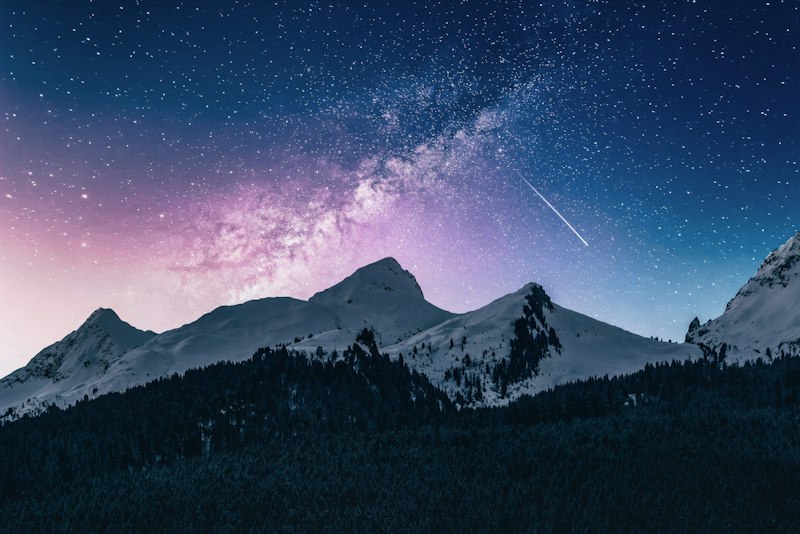
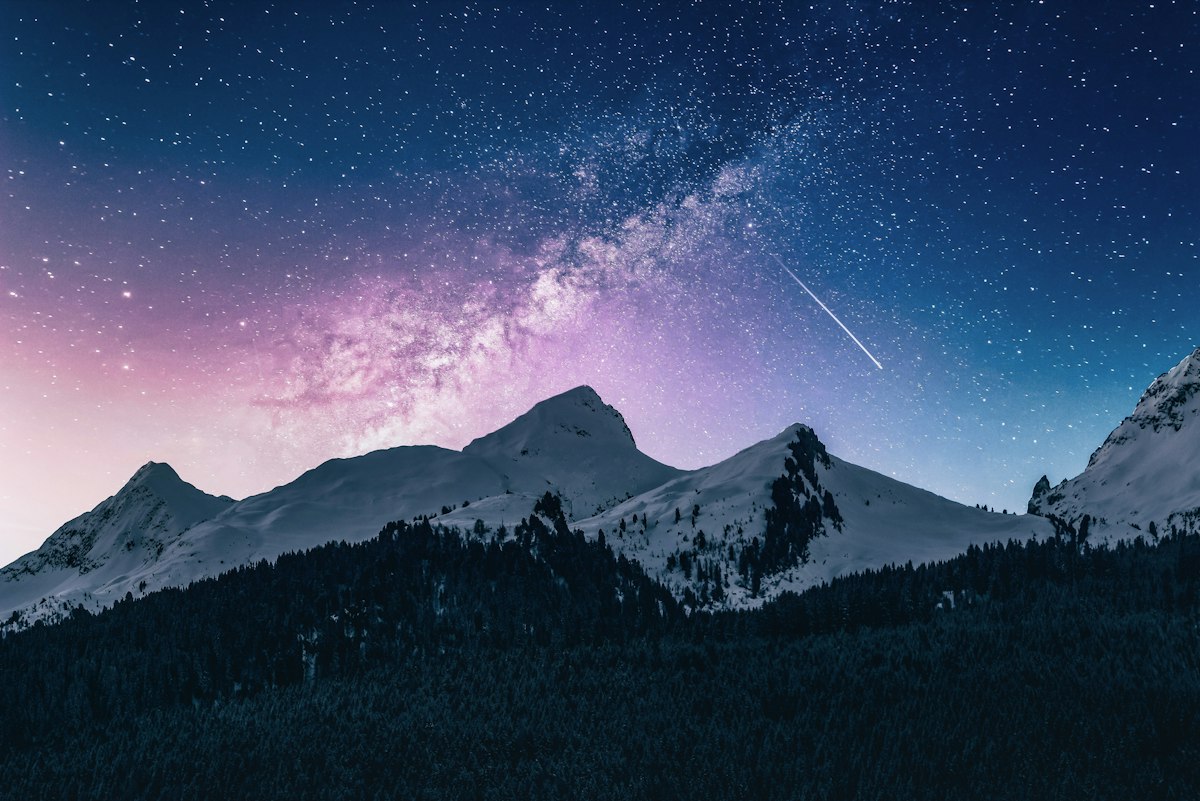
April to September is galaxy season. Our night guides cover Flagstaff Lowell Observatory star parties, Grand Canyon star walks, and how to shoot the Milky Way with just a phone and tripod.

Neon motels, pie diners, ghost towns and the standing-on-the-corner moment. 3-day itinerary with fuel stops, detours to Meteor Crater and Petrified Forest.
“We followed their Sedona sunrise guide and had Cathedral Rock almost to ourselves. Then the rocks turned neon orange. I cried.”
— Maya & Jonas, visited October 2025
04 — Field gallery


05 — Journal / News
Trail conditions, canyon lotteries, monsoon alerts, festival dates and slow-travel essays. Updated weekly during hiking season.
Our editors are out in the field — first monsoon dispatches drop this week. Check the guides above meanwhile.

Water, electrolytes, sun hoodies and the 10am rule.

New moon calendar for this season.
06 — Plan your visit
Phoenix → Sedona → Grand Canyon → Page. Perfect for first-timers, doable year-round except July heat in Phoenix. Rent a high-clearance car if you can.

March-May and September-November are ideal: 22-30°C in the desert, cool nights on the rim. Winter is perfect for low desert and Tucson, summer is for North Rim and Flagstaff (7,000 ft elevation). Monsoon storms (July-Sept) bring epic skies but flash-flood risk — never enter slot canyons if rain is forecast.
Antelope Canyon requires a Navajo guided tour. The Wave (Coyote Buttes) needs a lottery permit. Grand Canyon day hikes need no permit, overnight below rim does. Always carry 3-4L water per person, tell someone your plan, and start before 8am.
Much of northern Arizona is Navajo Nation, Hopi and other tribal lands. Ask before photographing people, stay on marked roads, do not move rocks or enter ruins, and hire Native guides — it directly supports communities and unlocks stories you won't find elsewhere.